
Automated Commerce
Back to Cases
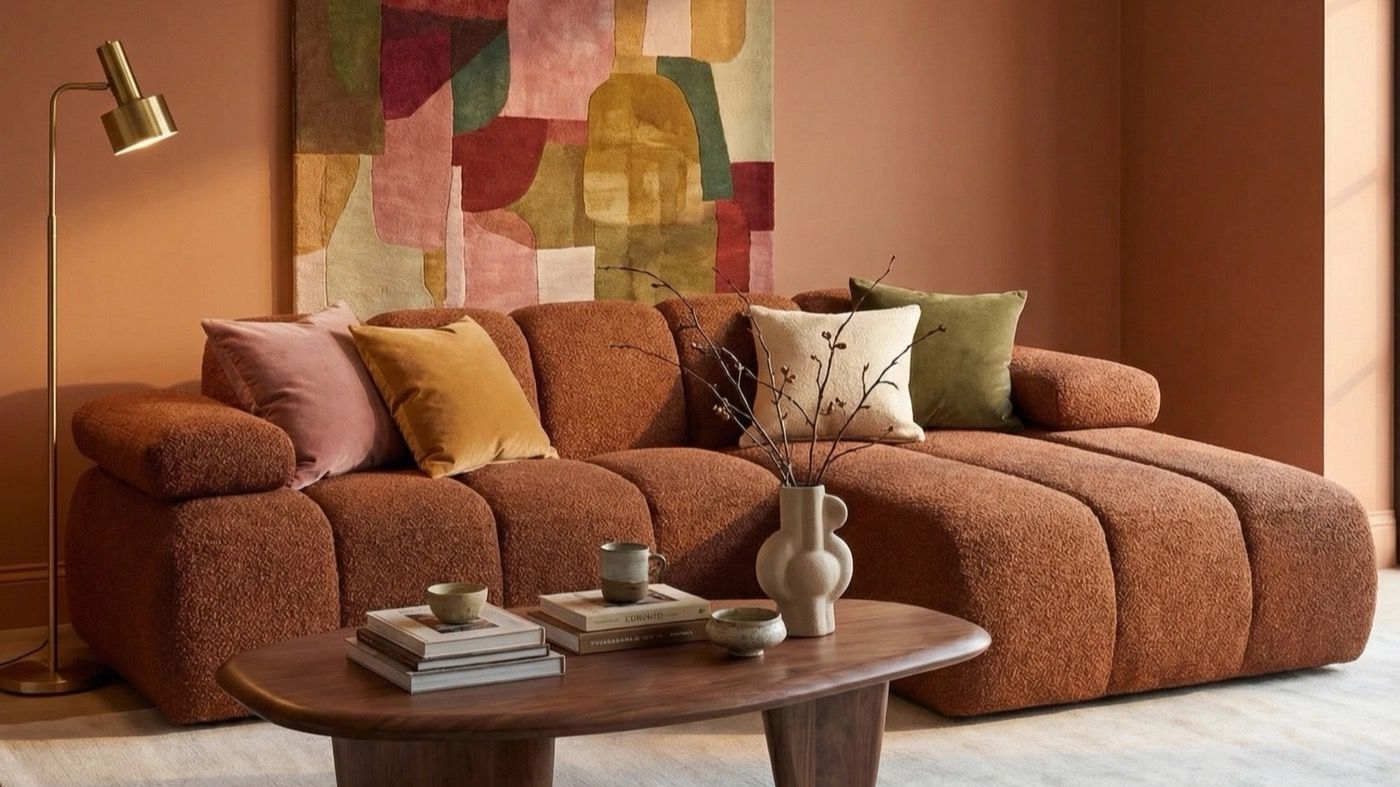
A WOOOD bouclé corner sofa in a warm terracotta living room, with a walnut coffee table

WOOOD × Automated Commerce

WOOOD generates room scenes from a packshot, a fabric swatch and a room-distance reference, so the sofa in the scene is the real sofa in the real velvet.

Max de SmitBy Max de Smit
success-storyfurnitureproduct-photography

The Lloyd corner sofa in sea salt velvet was photographed once. Everything after that was generated: the same sofa, in the same velvet, placed into room scenes that never needed a studio booking.

About WOOOD

WOOOD is a Dutch furniture and home decor brand within De Eekhoorn, working in a Scandinavian-influenced style across sofas, chairs, cabinets, tables, beds, lighting and outdoor pieces. Part of the range is made in the company's own factory in Zwaagdijk, North Holland. WOOOD sells through a dealer network and its own webshop.

The challenge

Furniture photography is the bottleneck. Every fabric, every finish and every room setting needs its own scene, and studio time does not scale to a range of 7,868 products. The cost is not only money. A new colourway cannot go live until someone has built the set, lit it and shot it.

How Automated Commerce helps

The method is deliberately literal. Three things go in: a packshot of the actual product, a photograph of the actual fabric swatch, and a room-distance reference that fixes the scale of the room. What comes out is a scene holding the real product in the real material, not a lookalike that approximates both.

That is why the Lloyd corner sofa keeps its exact shape and its exact velvet across every scene it appears in. The same scene-anchor approach runs for wardrobes, storage cabinets and table-and-chair sets, with Visual Brand folders keeping the reference material organised per product family.

The result

The method now runs across the WOOOD range.

  • 4,371 AI-generated images live in the WOOOD catalog.
  • 3,733 completed workflow runs behind them.
  • Scene generation covers sofas, wardrobes, storage cabinets and table-and-chair sets.
  • Reference material organised per product family, across a range of 7,868 products.

Frequently asked questions

Photograph the piece once. WOOOD's Lloyd corner sofa in sea salt velvet was shot one time; every scene after that was generated with the same sofa in the same velvet. Across the range that method has produced 4,371 AI-generated images without studio bookings.
Every fabric, finish and room setting needs its own scene, and studio time does not scale to a range of 7,868 products. Worse, a new colourway cannot go live until the set is built, lit and shot. Generated scenes remove that wait entirely.
Yes, because three real things go in: a packshot of the actual product, a photograph of the actual fabric swatch, and a room-distance reference that fixes the scale. What comes out holds the real product in the real material, not a lookalike approximating both.
The same scene-anchor approach runs for sofas, wardrobes, storage cabinets and table-and-chair sets, with Visual Brand folders keeping reference material organised per product family. Behind WOOOD's 4,371 live images sit 3,733 completed workflow runs, across a range of 7,868 products.
One shoot per piece, not per version. The packshot and the fabric swatches are photographed for real; every room scene and colourway after that is generated. The studio's work moves to capturing the product once, instead of rebuilding a set for every variation.
A generic tool invents a sofa that looks similar. The scene-anchor method holds the exact shape and the exact velvet across every scene the Lloyd sofa appears in, because it starts from the real packshot and the real swatch. For furniture, that fidelity is the product.

Stay Ahead: Newsletter

Get the latest insights from the AI-industry and updates on new platform features

WOOOD × Automated Commerce - Automated Commerce